


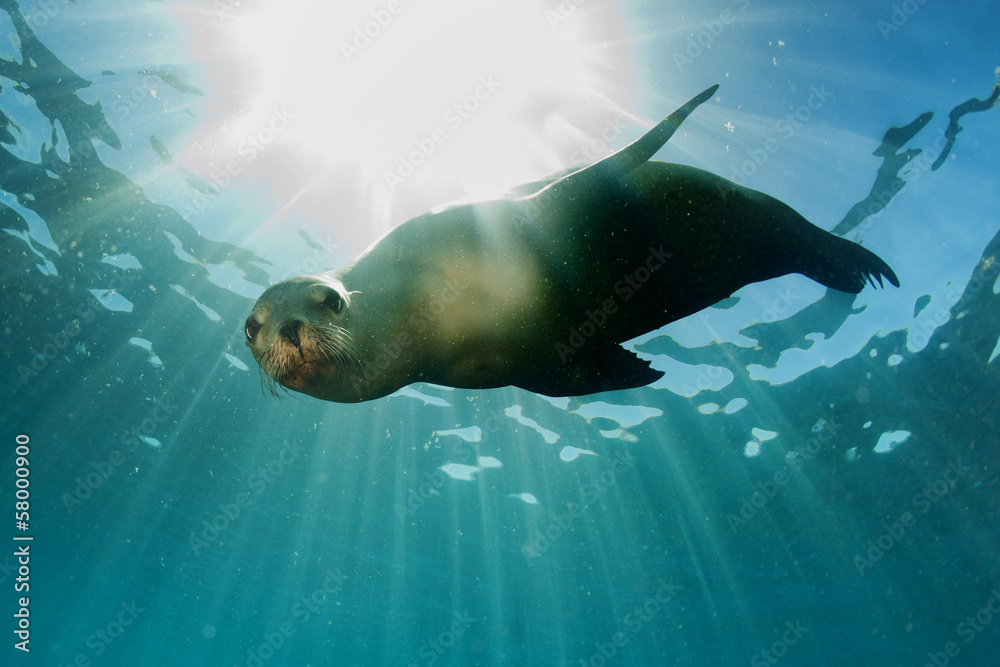
Sea lions in California have been showing symptoms of a kidney disease called leptospirosis. According to marine experts, the disease should worry humans, as it can be passed to them or their mammalian pets.
Leptospirosis is a bacterial disease that causes kidney failure in marine mammals. The bacteria are affecting animals primarily in Central and Northern California, according to the Marine Mammal Center in Sausalito’s public relations director, Giancarlo Rulli. Right now, health officials and marine experts are concerned with California sea lions, Rulli said. The Marine Mammal Center has responded to more than 200 sea lions that have shown symptoms, with 150 of those since the beginning of July, accoridng to a report by the Los Angeles Times.
Humans can get leptospirosis, contracting the illness through water or soil contaminated by the urine of infected animals. Symptoms in humans may include fever, headache, muscle aches, jaundice, vomiting, diarrhea, and skin rash. The disease, like most bacterial infections, is typically treated with antibiotics.
“Leptospirosis is an extremely virulent disease,” Rulli said. “There is a high mortality rate in California sea lions. By the time a sea lion washes ashore, they are experiencing mass inflammation. They may already have active kidney failure, so there is a major uphill challenge in terms of veterinary care to give these animals a second chance and release them back out to the wild.”
Historically, outbreaks of this disease have occurred every three to five years, but since 2018, they have become more frequent.
From late 2012 until 2017, there was a “warm weather blob” that extended from the waters off the west coast of Mexico all the way to the Gulf of Alaska. During that time, leptospirosis nearly disappeared among the sea lion population, Rulli said. It then kicked back up in 2018, when the Marine Mammal Center responded to more than 300 cases of sickened sea lions. Since then, outbreaks have been occurring more consistently. –The Los Angeles Times
There are warnings that humans should be aware of these kinds of animals and their potential to spread the bacteria to pets and possibly people.
Read the full article here