

Key Takeaways
- Florida lawmakers passed CS/SB 52, allowing volunteers to provide armed security at places of worship without a state-issued license.
- The bill gained strong support, passing the Senate 39-0 and the House 111-1 before heading to the governor.
- The legislation amends section 493.6102 to create an exemption for unpaid volunteers, clarifying their licensing requirements.
- The law emphasizes community-based security measures and is expected to take effect on July 1, 2026, after gubernatorial approval.
- This change reflects a continued commitment to personal and community safety in response to potential threats.
Estimated reading time: 3 minutes
TALLAHASSEE, FL – Florida lawmakers have passed legislation that would allow certain volunteers to provide armed security at places of worship without needing a state-issued security license.
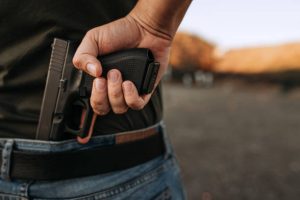
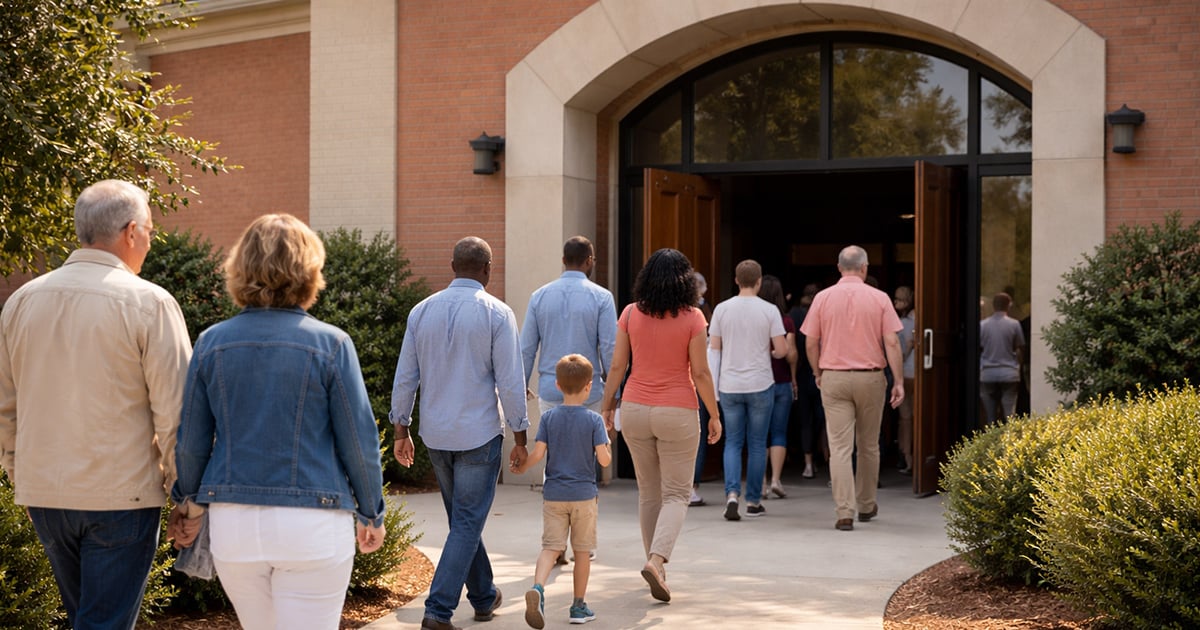
CS/SB 52, titled “Security Services at Places of Worship,” creates an exemption in Florida law for individuals who provide armed security on a voluntary and unpaid basis at churches, mosques, synagogues, and other places of worship. The bill specifies that these individuals are not required to obtain licensure under the state’s private security regulations.
The legislation moved through the Florida Legislature with strong support. It passed the Senate on February 11, 2026, by a 39-0 vote. It later passed the House on March 11, 2026, by a vote of 111-1. The bill was ordered enrolled on March 17, 2026.
The measure amends section 493.6102 of Florida Statutes to add a new exemption. Under the updated language, individuals who volunteer without compensation to provide armed security at a place of worship are not subject to the licensing requirements that typically apply to private security personnel.
The bill also reenacts related statutory language to ensure consistency within Florida’s licensing framework. Specifically, it clarifies how the exemption interacts with existing license classifications under section 493.6201.
More from USA Carry:
With final legislative approval complete, the bill now heads to the governor’s desk for consideration. The governor can sign the bill into law, allow it to become law without a signature, or veto it.
Given the overwhelming support in both chambers, including near-unanimous votes, the bill is widely expected to be signed or otherwise enacted. A veto is unlikely.
If enacted, the law is scheduled to take effect on July 1, 2026.
This change reflects a growing focus on allowing places of worship to establish their own security measures using trusted members of their communities. By removing licensing barriers for volunteers, the law gives religious institutions more flexibility in how they approach security.
For armed citizens, this legislation highlights the continued recognition of the right to protect against serious threats. While the law focuses on volunteers in places of worship, it reinforces the broader principle that lawful firearm ownership and carry play a role in personal and community safety when facing potential threats.
Read the full article here