

NEWYou can now listen to Fox News articles!
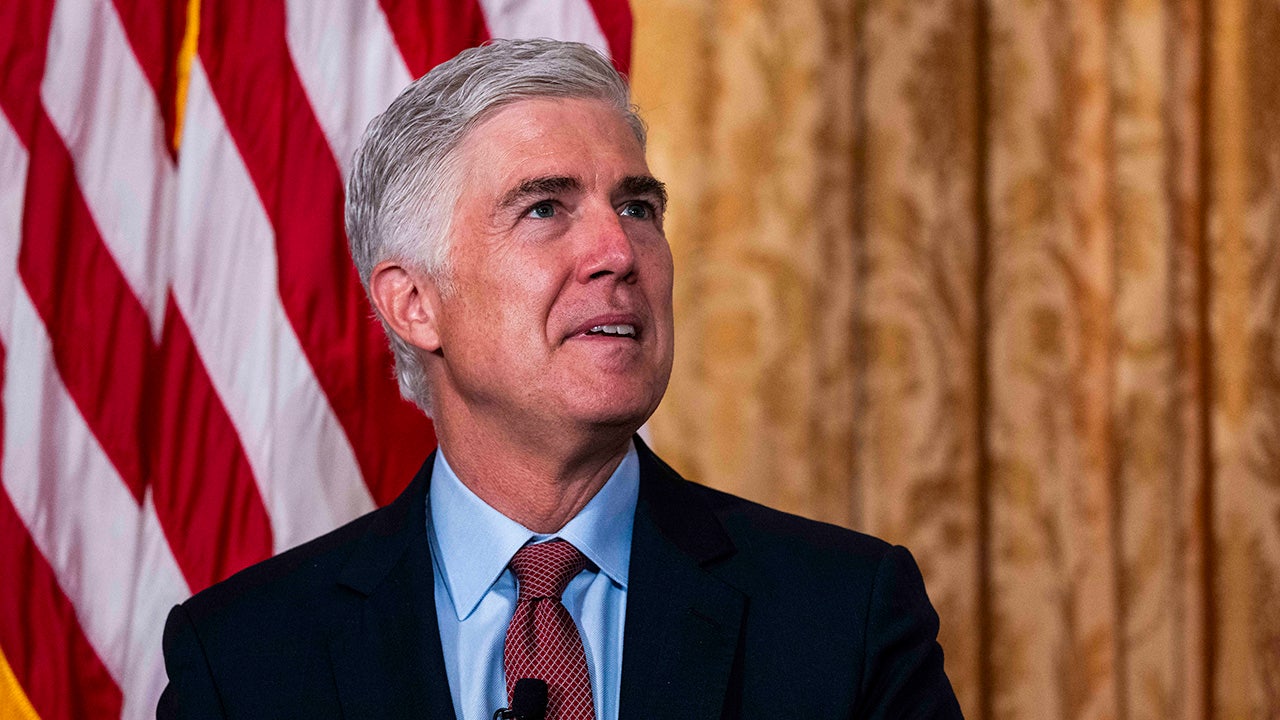
Justice Neil Gorsuch spent a portion of the Supreme Court’s oral arguments this week exploring what a “habitual drunkard” is as part of a case centered on whether a drug user is allowed to own a gun.
Gorsuch questioned a Department of Justice lawyer on how gun restrictions for habitual drunkards in early American history compared to today’s law restricting drug users from owning guns. The DOJ was required to point to a strong historical comparison to prove the modern law was constitutional, and it chose to use the founding-era laws about habitual drunkards.
“The American Temperance Society, back in the day, said eight shots of whiskey a day only made you an occasional drunkard,” Gorsuch said.
A habitual drunkard, Gorsuch said, had to “double that.”
The conservative justice pointed to the Founding Fathers’ drinking habits to convey his skepticism about the DOJ’s argument that a habitual drunkard was similar to a modern-day drug user and that both were worthy of being disarmed.
“John Adams took a tankard of hard cider with his breakfast every day. James Madison reportedly drank a pint of whiskey every day. Thomas Jefferson said he wasn’t much of a user of alcohol. He only had three or four glasses of wine a night,” Gorsuch said.
SUPREME COURT RULING ON SECRETIVE CALIFORNIA GENDER POLICY COULD RESHAPE PARENT RIGHTS FIGHTS NATIONWIDE
“Are they habitual drunkards who would be properly disarmed for life under your theory?” Gorsuch said.
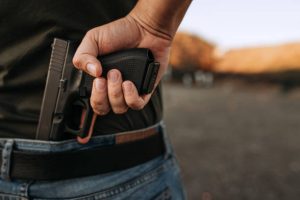
The case, U.S. v. Hemani, centered on a Texas man who had been charged after the FBI discovered he possessed a handgun and smoked marijuana every other day. The law at issue, 922(g)(3), gained national attention after President Joe Biden’s son Hunter was convicted under it for possessing a gun in 2018 while addicted to crack cocaine.
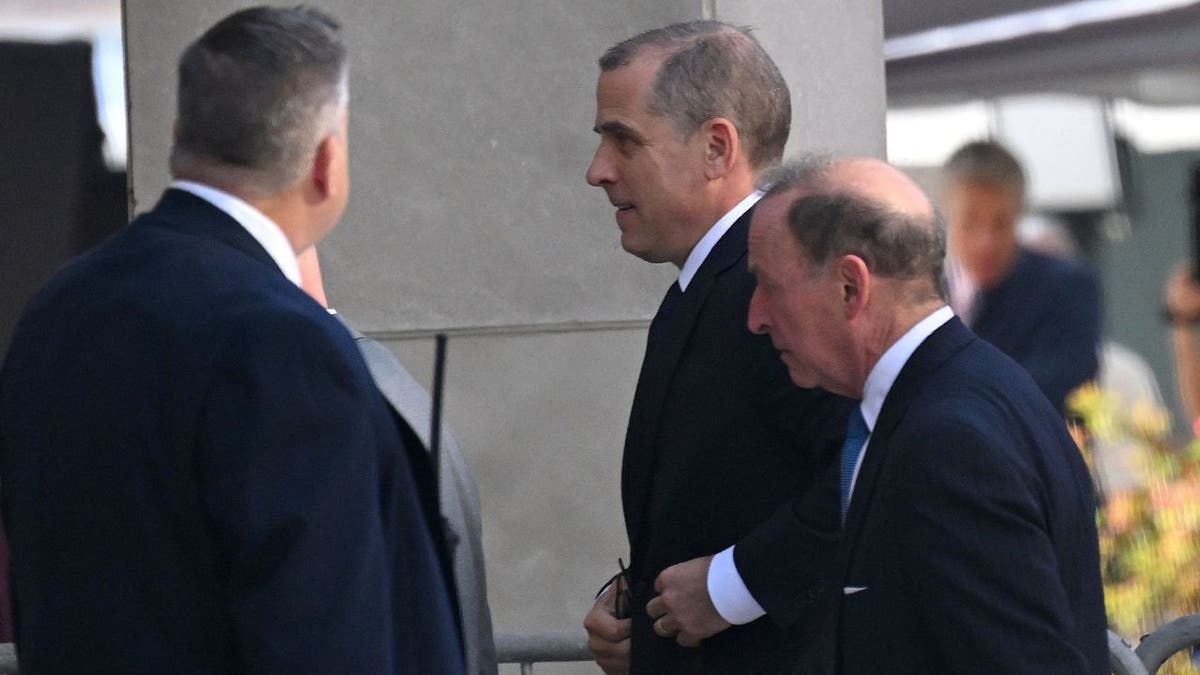
“We don’t even know the quantity of how much he uses every other day. What if he took one gummy bear with a medical prescription in Colorado?” Gorsuch asked. “Let’s say he had one to help him sleep every other day. Disarm him for life?”
The DOJ argued the man, Ali Hemani, illegally owned the gun while a habitual user of marijuana and that he was rightly charged for it. Second Amendment advocates are closely watching the case. The National Rifle Association and Gun Owners of America are supporting Hemani, while several Democratic states are backing the DOJ in the case, setting up strange alliances in a test of what exceptions to gun ownership are allowed by law.
An attorney for Hemani argued to the Supreme Court that the DOJ could not adequately define what a habitual drug user was.
GUNS AND GANJA: SUPREME COURT SKEPTICAL OF FEDERAL LAW BANNING FIREARM POSSESSION FOR REGULAR MARIJUANA USERS
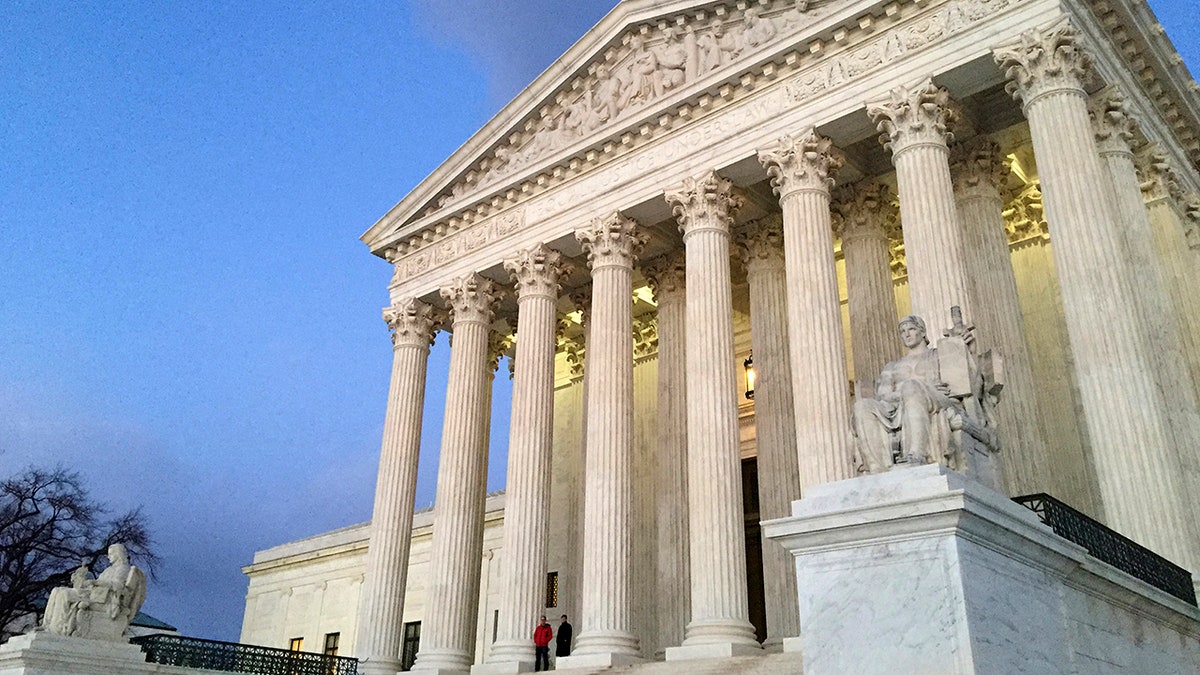
“The only historical tradition it has offered is one of imposing restrictions on habitual drunkards,” the lawyer said. “That entire line of argument rests on a category mistake because the laws to which the government points applied only to habitual drunkards, not to habitual drinkers.”
The DOJ, meanwhile, downplayed the implications of the law, saying in court papers that it would impose only a “limited, inherently temporary” restriction on a drug user that the person could remove by curtailing drug use.
“This restriction provides a modest, modern analogue of much harsher founding-era restrictions on habitual drunkards, and so it stands solidly within our Nation’s history and tradition of regulation,” DOJ lawyers wrote. “And habitual illegal drug users with firearms present unique dangers to society—especially because they pose a grave risk of armed, hostile encounters with police officers while impaired.”
Gorsuch was among several justices to express skepticism of the DOJ’s argument, though the justices could keep their ruling narrow and only address Hemani’s case rather than the broader constitutionality of the law.
The high court is expected to issue a decision by the summer.
Fox News’ Bill Mears contributed to this report.
Related Article
Read the full article here